Comparing Eco-Friendly and Traditional Fencing Options


The Rise of Eco-Friendly Fencing
As environmental awareness continues to grow, many homeowners are considering eco-friendly options for their outdoor spaces. One area where this shift is particularly evident is in fencing. While traditional fencing materials like wood and vinyl have long been popular, eco-friendly alternatives offer benefits that are hard to ignore.
Traditional Fencing Materials
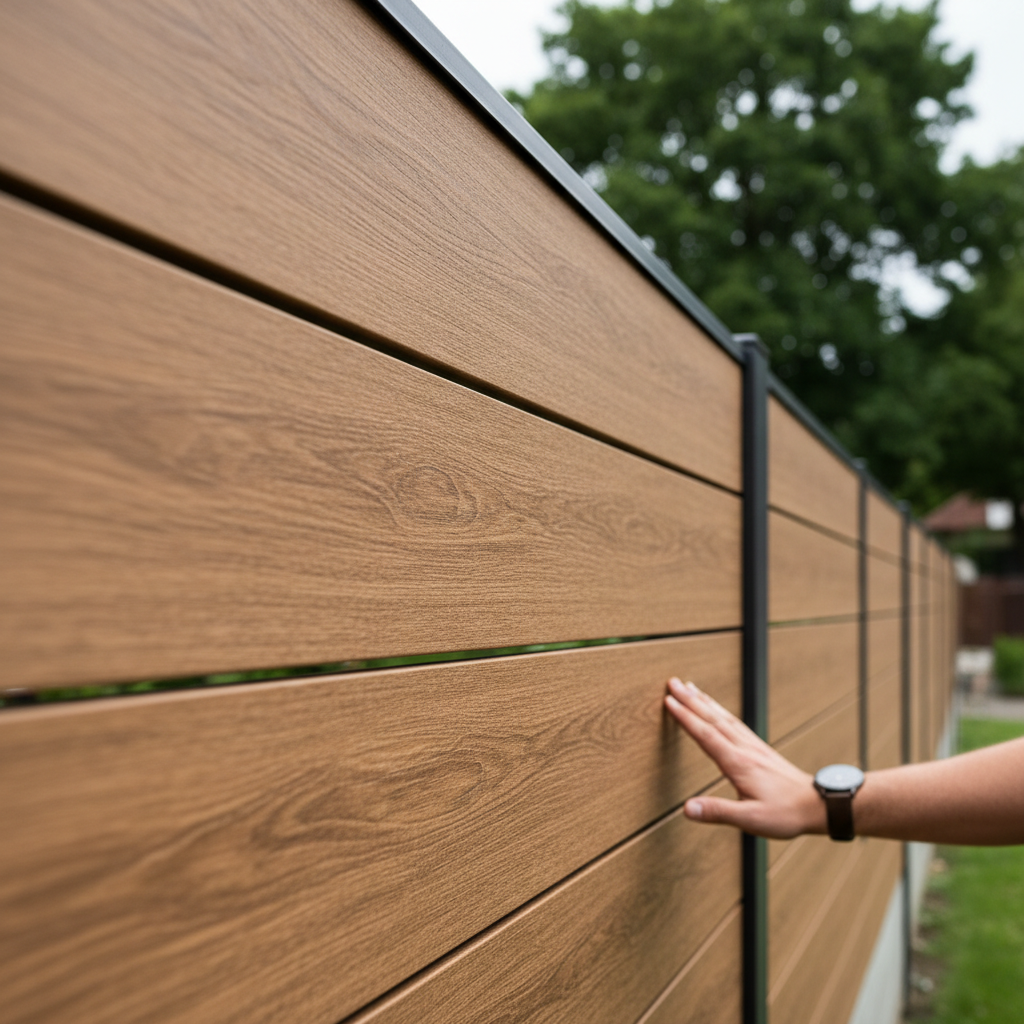
Traditional fencing options usually include materials such as wood, vinyl, and metal. Each of these has its own set of advantages and disadvantages. For instance, wood is often praised for its natural appearance and versatility. However, it requires regular maintenance to prevent rot and decay.
Vinyl fencing, on the other hand, is known for its durability and low maintenance. It is resistant to weathering and does not require painting. Metal fencing, including options like aluminum and steel, is highly durable but can be costly and may not blend as well with natural landscapes.
Eco-Friendly Fencing Alternatives
Eco-friendly fencing options are designed to reduce environmental impact while still providing functionality and aesthetic appeal. Some popular materials in this category include bamboo, recycled wood, and composite materials.
Bamboo is a rapidly renewable resource, making it an excellent choice for sustainable fencing. It is both strong and lightweight, providing a unique aesthetic that complements various landscapes.
Composite Fencing: A Sustainable Solution
Composite fencing is made from a mix of recycled wood fibers and plastic. This combination results in a highly durable product that mimics the appearance of traditional wood while requiring less maintenance. Composite materials are resistant to rot, insects, and harsh weather conditions.
Another advantage of composite fencing is its long lifespan, which reduces the need for replacement and further resource consumption. This makes it an attractive option for environmentally conscious homeowners.
Cost Considerations
When comparing eco-friendly and traditional fencing options, cost is an important factor to consider. Traditional wood fencing may have a lower upfront cost, but its maintenance requirements can add up over time. Vinyl and metal fencing tend to be more expensive initially but offer long-term savings due to their durability.
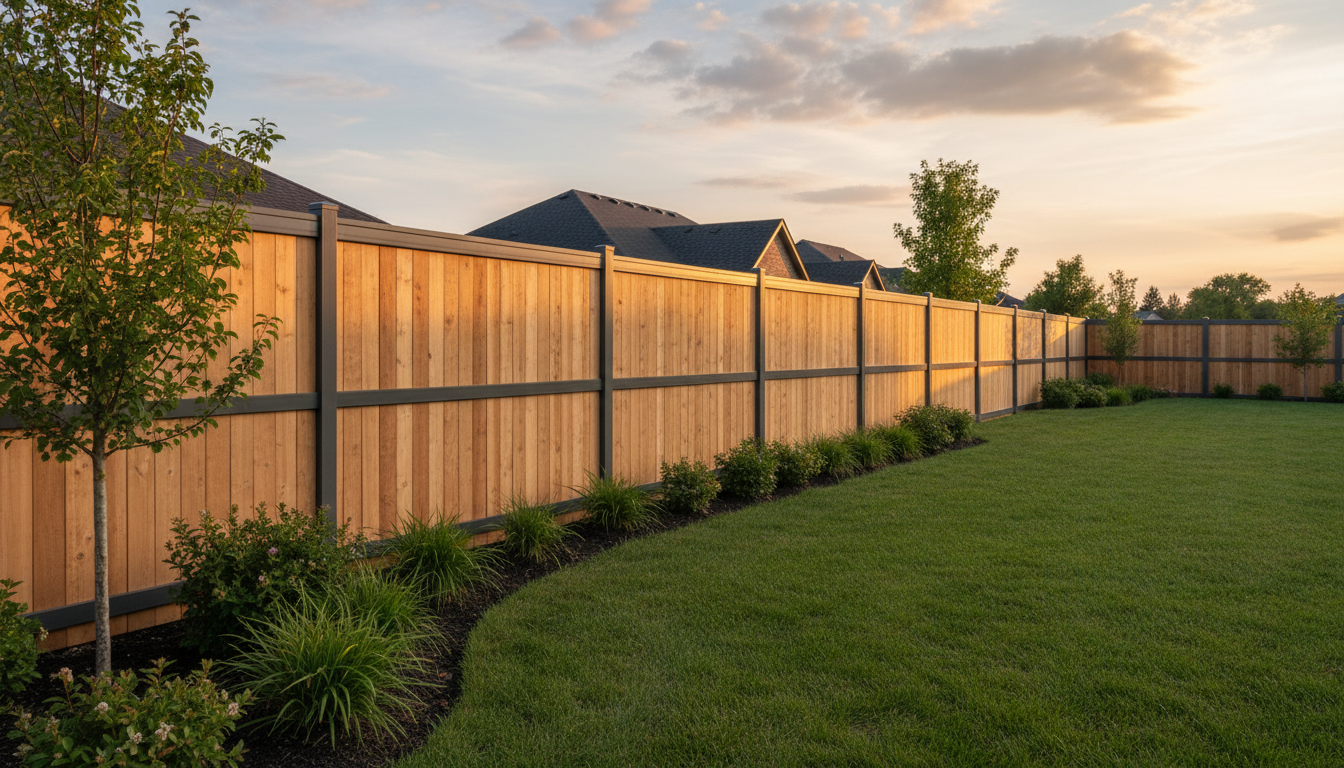
Eco-friendly options like bamboo and composite materials might have a higher initial cost, but they often pay off in the long run through reduced maintenance and replacement expenses. Additionally, choosing sustainable materials can contribute to a lower carbon footprint, aligning with broader environmental goals.
Choosing the Right Fencing for Your Needs
Ultimately, the decision between eco-friendly and traditional fencing options depends on various factors, including budget, aesthetic preferences, and environmental considerations. By weighing the pros and cons of each material, homeowners can make informed choices that align with their values and needs.
Whether prioritizing sustainability or seeking a classic look, there's a fencing option available to meet every requirement. As eco-friendly alternatives continue to evolve, they offer increasingly viable solutions for modern homeowners looking to make environmentally responsible choices.