Comparing Fence Materials: Which is Best for Louisiana's Climate?


Introduction
When it comes to choosing the right fence for your property in Louisiana, the decision can be quite challenging. The state’s unique climate, characterized by high humidity, frequent rain, and occasional storms, plays a significant role in determining the longevity and effectiveness of various fence materials. This article will explore different fencing options to help you make an informed choice.
Wood Fences
Wood is a classic choice that offers a warm and natural look. It's particularly popular in residential areas for its aesthetic appeal. However, in Louisiana, wood fences require regular maintenance due to the humid climate. To prevent rot and decay, it's essential to treat the wood with sealants and stains.
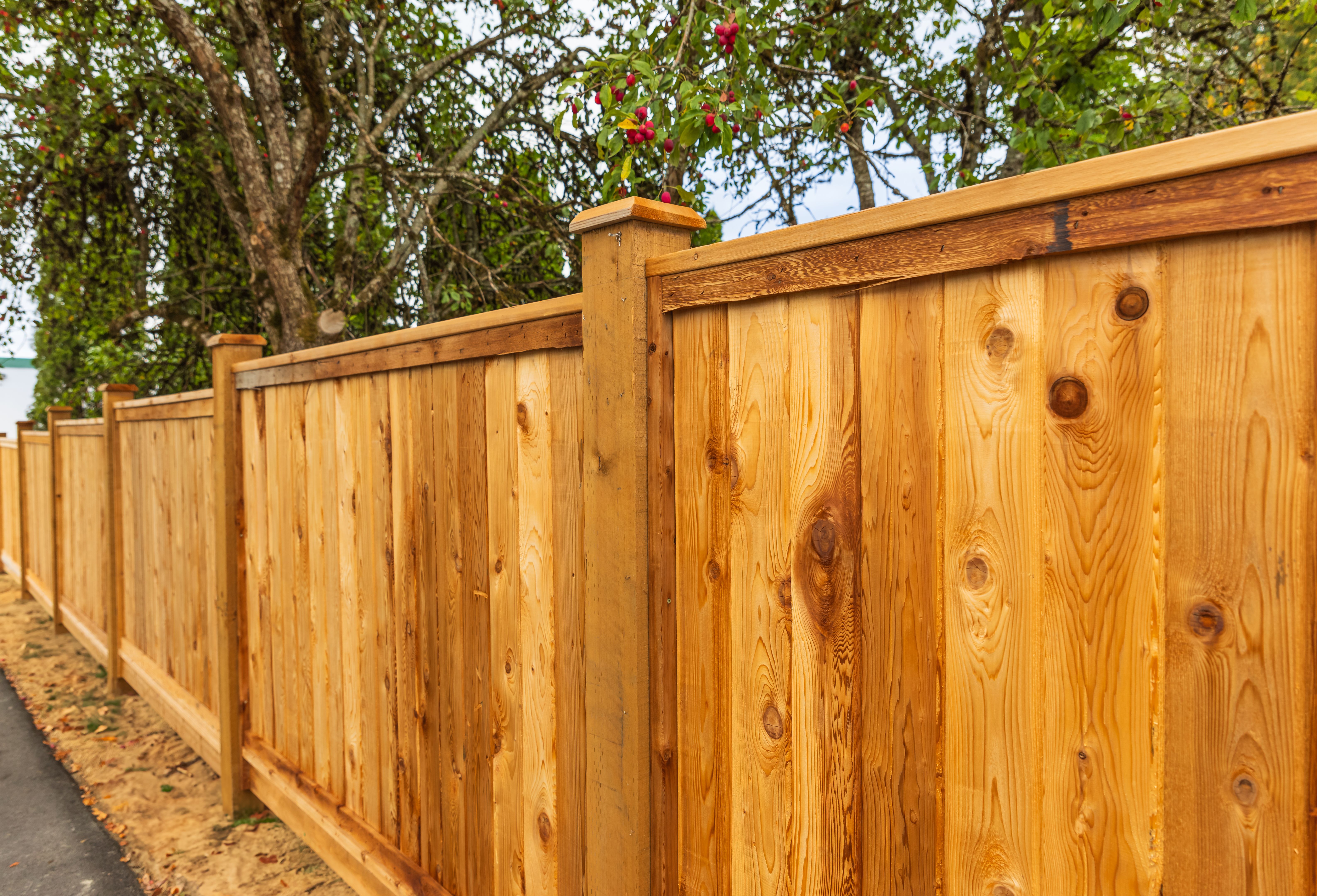
Despite the maintenance, wood fences can be a great option if you're willing to put in the effort. Using rot-resistant woods like cedar or redwood can also help enhance durability.
Vinyl Fences
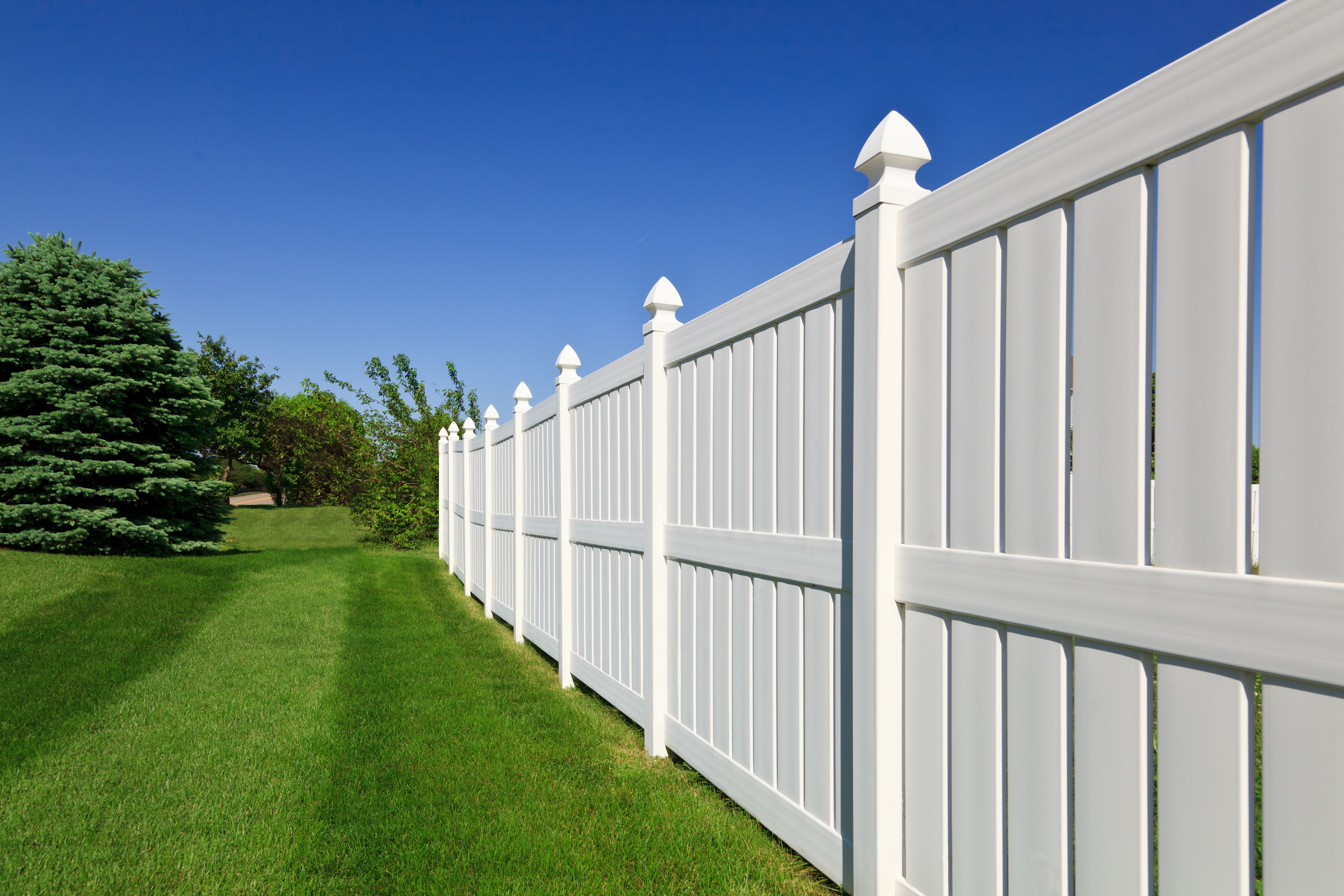
Vinyl fences have become increasingly popular due to their low maintenance and high durability. They resist moisture, making them ideal for Louisiana’s wet conditions. Vinyl doesn’t warp or rot, and it maintains its appearance with minimal upkeep.
One of the downsides is the initial cost, which can be higher than wood. However, the lack of maintenance expenses often balances this out over time.
Metal Fences
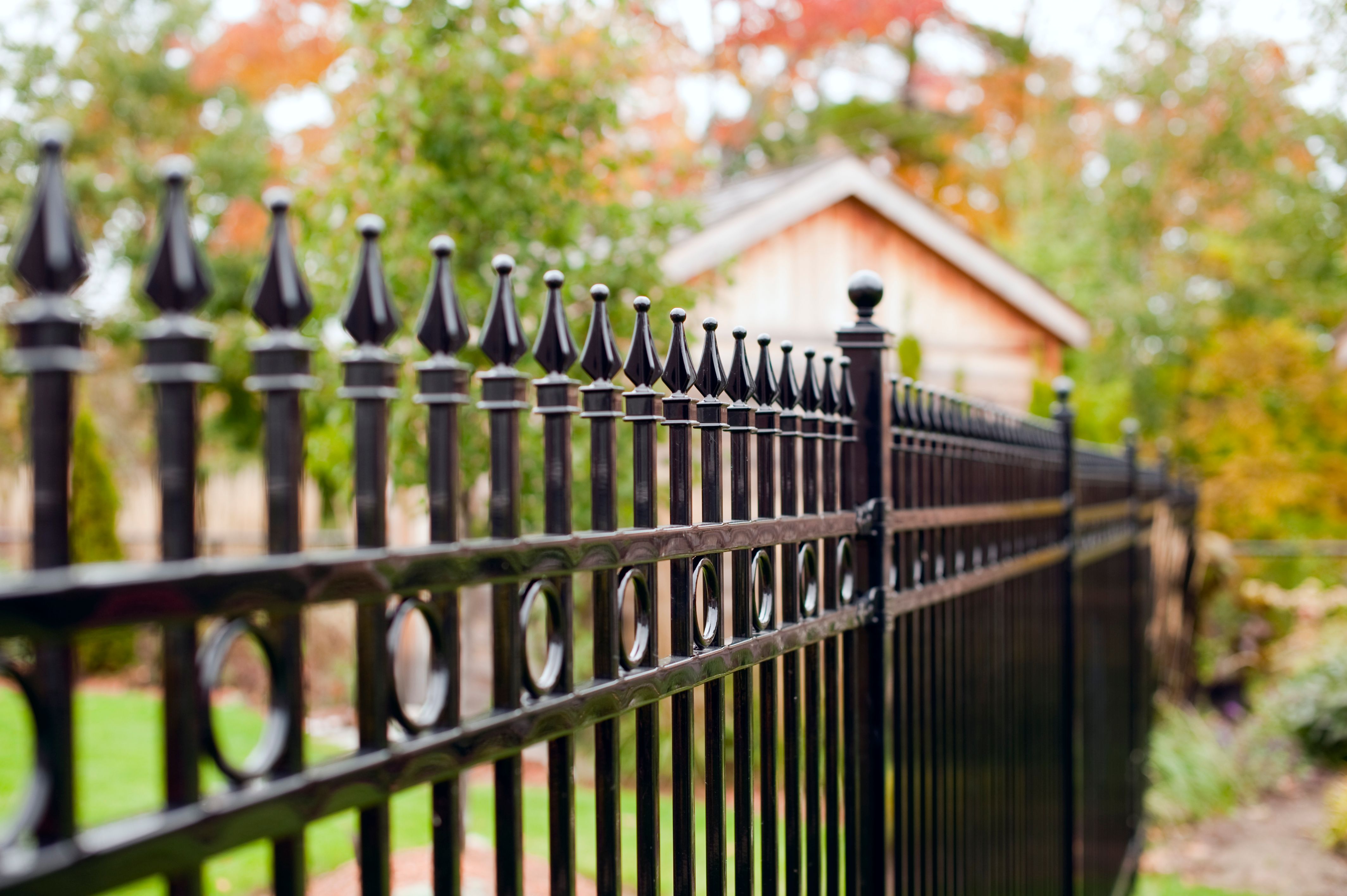
Metal fences, including aluminum and wrought iron, are known for their strength and longevity. Aluminum is particularly resistant to rust, making it a suitable choice for humid climates. These fences provide excellent security and require minimal maintenance.
While wrought iron offers a classic and elegant look, it may require periodic painting to prevent rust. Aluminum, on the other hand, is more resistant to the elements but might not offer the same level of security as heavier metals.
Composite Fences
Composite fencing combines wood fibers and plastic to create a durable material that mimics the appearance of wood without the maintenance hassles. It stands up well to Louisiana’s climate, resisting rot, insects, and moisture.
Though the initial cost can be higher than traditional wood, the longevity and low maintenance make it a cost-effective option over time.
Conclusion
Choosing the right fence material for Louisiana’s climate depends on your priorities, whether they're aesthetics, maintenance, or cost. Wood offers a traditional look but requires regular upkeep. Vinyl and composite provide low-maintenance options that stand up well to humidity, while metal offers durability and security.
Consider your long-term goals and budget to select the fence that best suits your needs. With the right choice, you can enjoy both functionality and beauty in your outdoor space.