Comparing Fence Materials: Which is Right for Your Property?


Choosing the right fence material for your property can be a daunting task, given the variety of options available. Each material offers unique benefits and drawbacks, which can significantly impact the aesthetics, functionality, and maintenance of your fence. This guide will help you navigate through the most common fencing materials to determine which one best suits your needs.
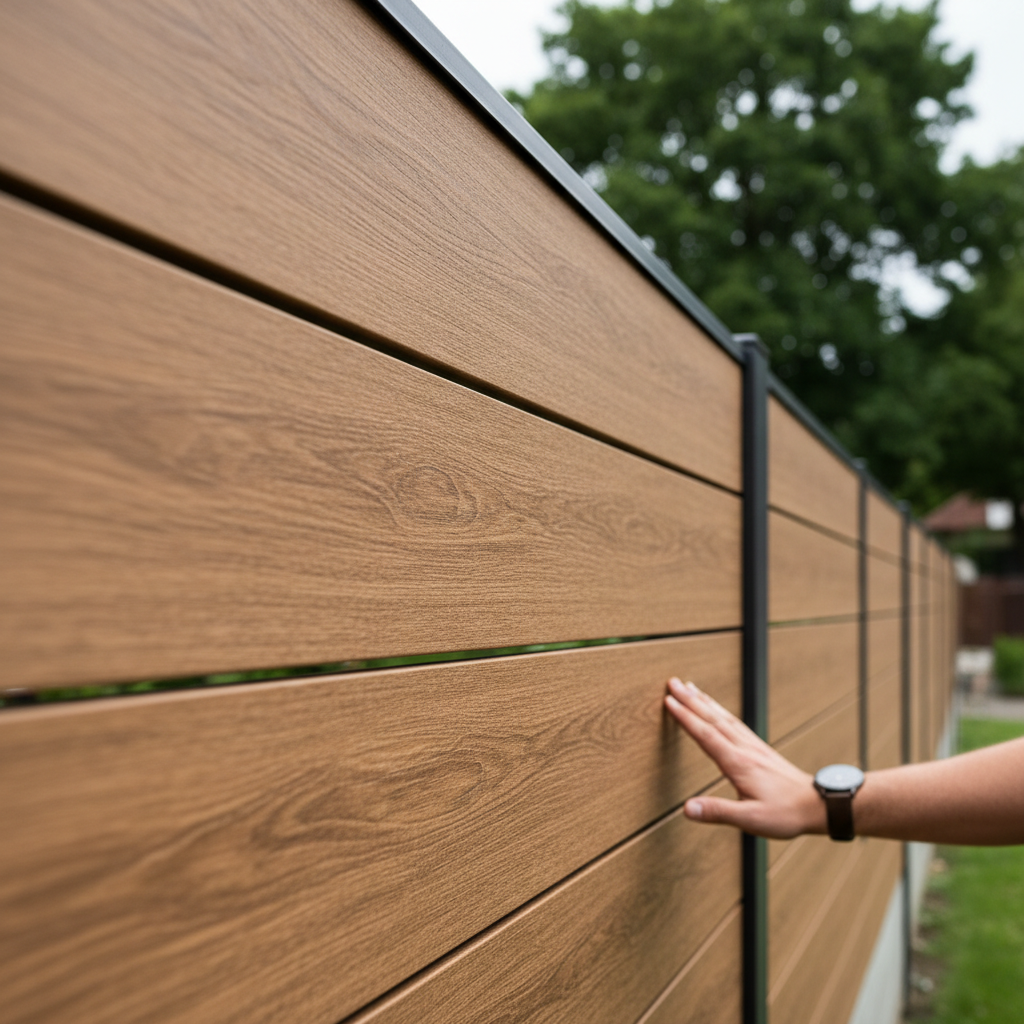
Wood Fencing
Wood is a classic choice that offers a natural and traditional look. It can be stained or painted to match your property’s aesthetics. Wood fencing is generally affordable, but costs can vary depending on the type of wood used.
Benefits of Wood Fencing
- Versatility: Can be customized in terms of height, style, and color.
- Aesthetic Appeal: Provides a warm and natural appearance.
However, wood requires regular maintenance to prevent rot, warping, and pest damage.
Vinyl Fencing
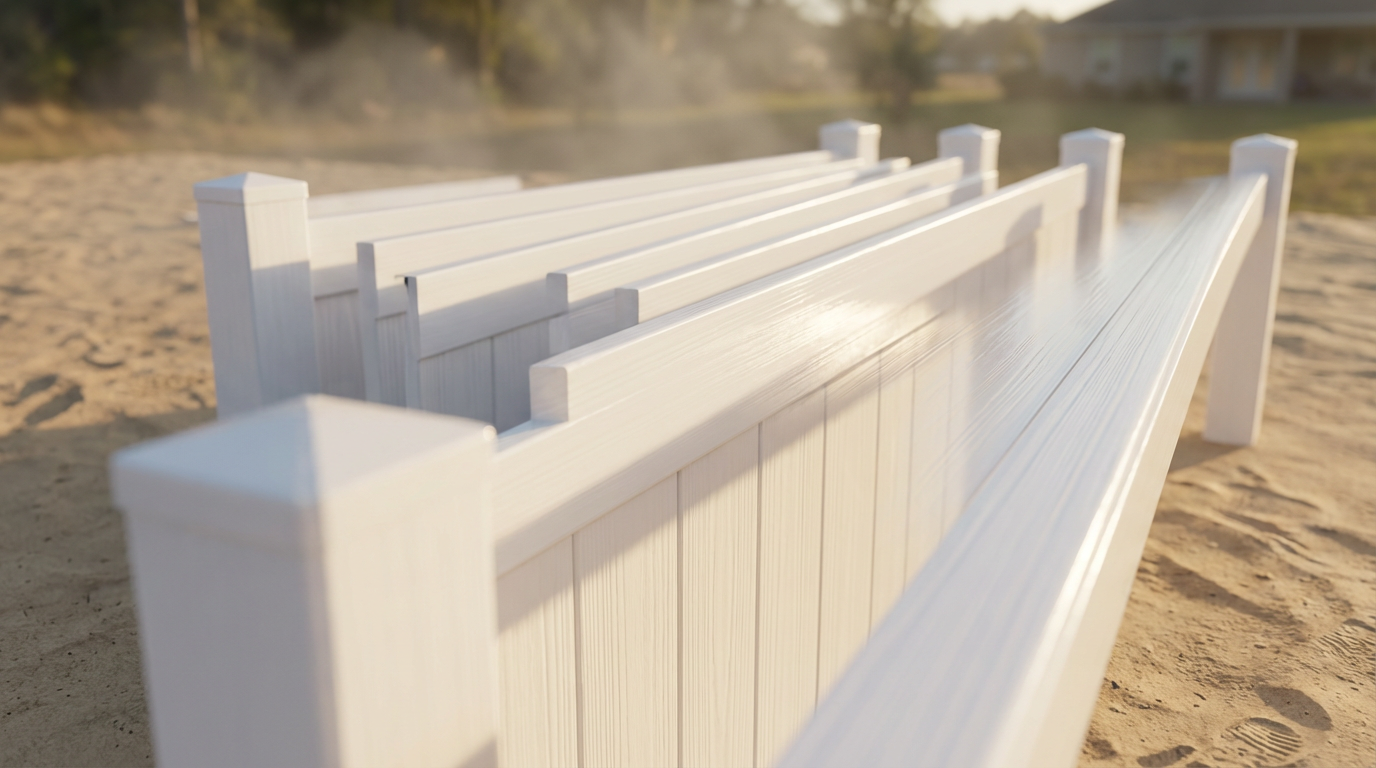
Vinyl fencing is known for its durability and low maintenance. Unlike wood, it doesn’t require painting or staining, and it is resistant to pests and rot.
Advantages of Vinyl Fencing
- Durability: Can withstand harsh weather conditions.
- Low Maintenance: Easy to clean with just soap and water.
Although it is more expensive upfront, the long-term savings on maintenance make it a cost-effective option.
Metal Fencing
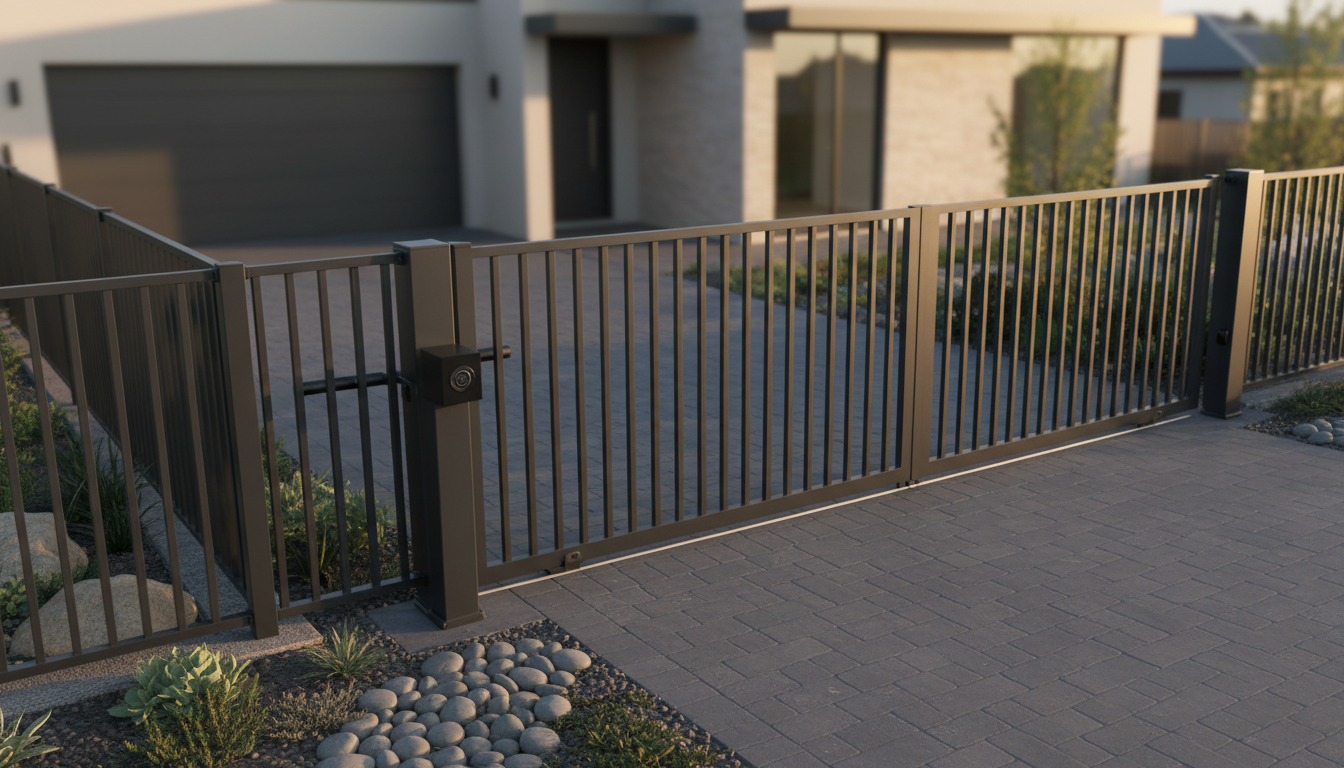
Metal fences, including aluminum, steel, and wrought iron, offer strength and security. They provide a modern and sleek look, ideal for urban settings.
Pros of Metal Fencing
- Security: Offers a high level of protection.
- Longevity: Extremely durable and can last for decades.
Metal fences can be prone to rust, but treatments and coatings can help mitigate this issue.
Composite Fencing
Composite fencing combines recycled wood fibers and plastic, offering the appearance of wood with enhanced durability. It is an eco-friendly option that requires less maintenance.
Highlights of Composite Fencing
- Eco-Friendly: Made from recycled materials.
- Low Maintenance: Resistant to weather and insects.
While the initial cost is higher, its longevity and minimal upkeep can justify the investment.
In conclusion, the right fencing material for your property depends on various factors, including budget, desired aesthetics, and maintenance preferences. By weighing these factors, you can select a fence that not only enhances your property's appeal but also serves its intended function effectively.