DIY Fence Installation Tips from Expert Installers in Bay Saint Louis


Building a fence can be a rewarding DIY project for homeowners in Bay Saint Louis. Whether you're looking to add privacy, security, or aesthetic appeal, installing your own fence allows you to customize it to your needs. Here are some expert tips to guide you through the process.
Planning Your Fence Installation
Before you start digging, it's crucial to have a solid plan. Consider the purpose of your fence, whether it's for privacy, safety, or decoration. Measure your property accurately and determine the materials that best suit your needs. Wood, vinyl, and metal are popular choices, each offering unique benefits.
Check local zoning laws and homeowner association rules that may affect your fence design. It's essential to understand any restrictions on height, style, or placement to avoid future issues.
Gathering the Right Tools and Materials
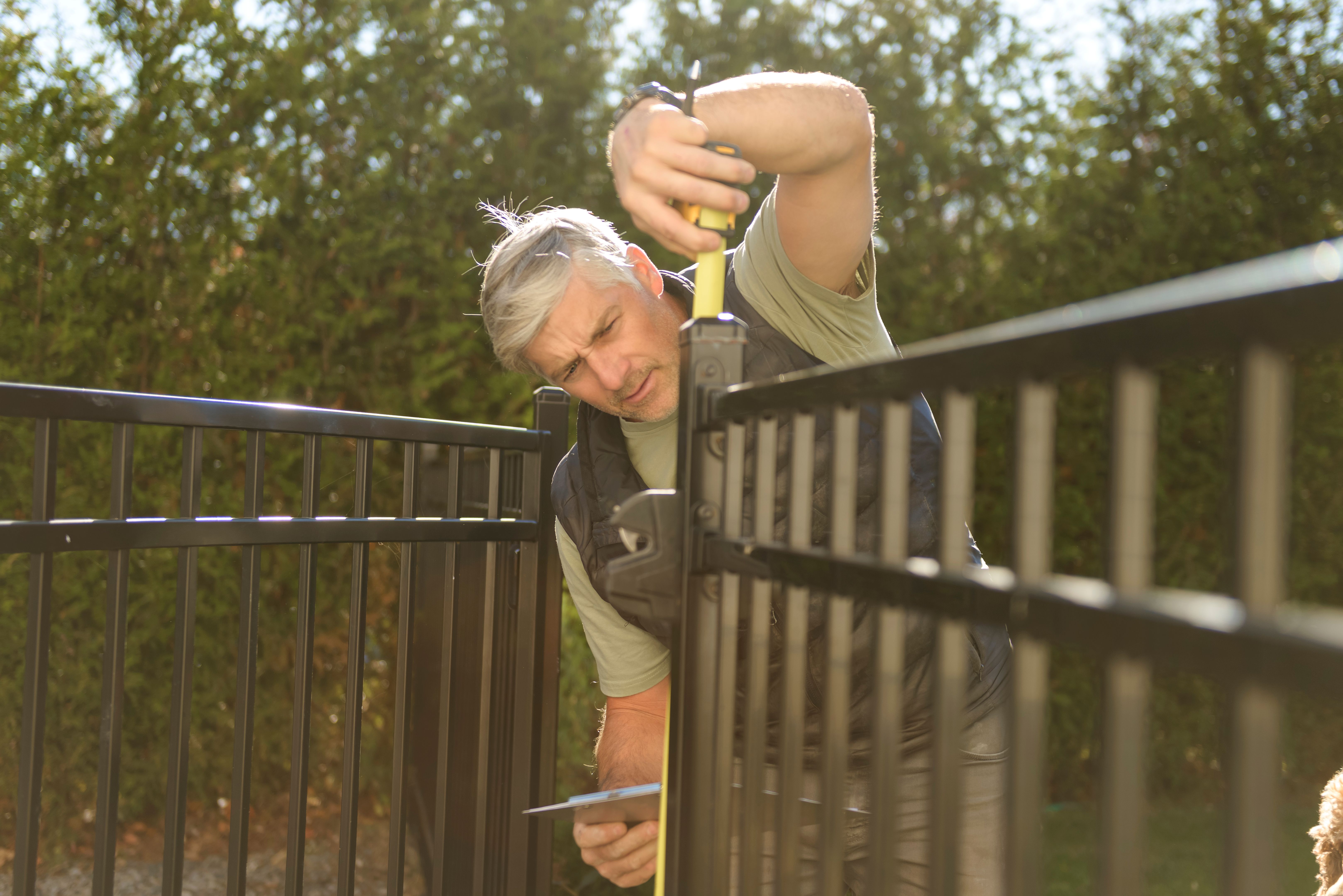
Once you've finalized your plan, gather all necessary tools and materials. You will need basic tools like a post hole digger, level, tape measure, and saw. Depending on your material choice, additional tools like a nail gun or concrete mixer may be required.
Calculate the amount of material you'll need. It's often wise to purchase a little extra to account for any mistakes or adjustments during installation. Quality materials can make a significant difference in the longevity and appearance of your fence.
Preparing the Site
Clear the area where your fence will be installed. Remove any debris, rocks, or plants that could interfere with the installation. Mark the location of each post using stakes and string to ensure a straight line.
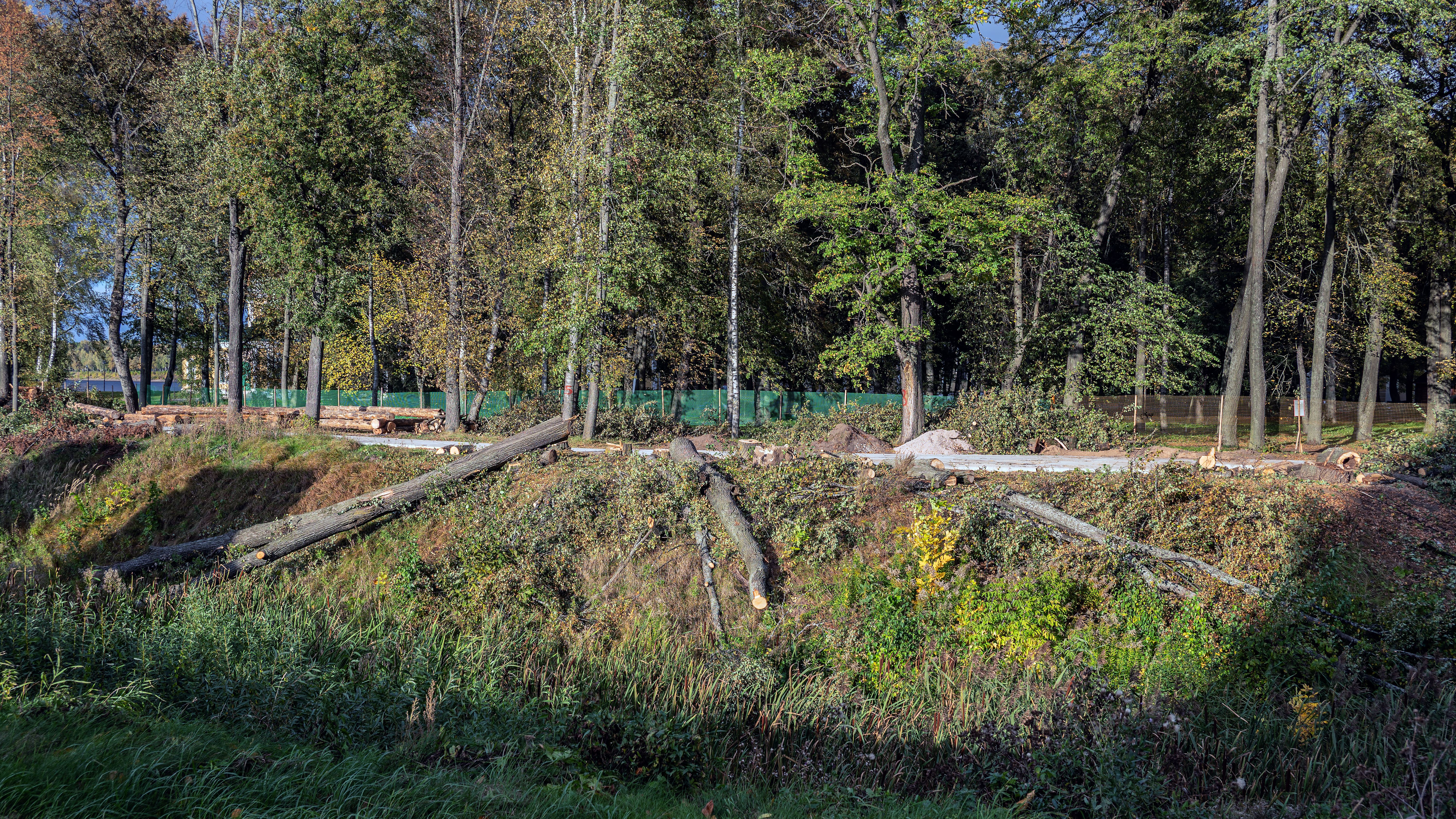
Digging post holes is a critical step. The depth and width of the holes should accommodate the size of your posts and the local climate. Generally, holes should be one-third the height of the post and wider than the post itself.
Installing the Fence
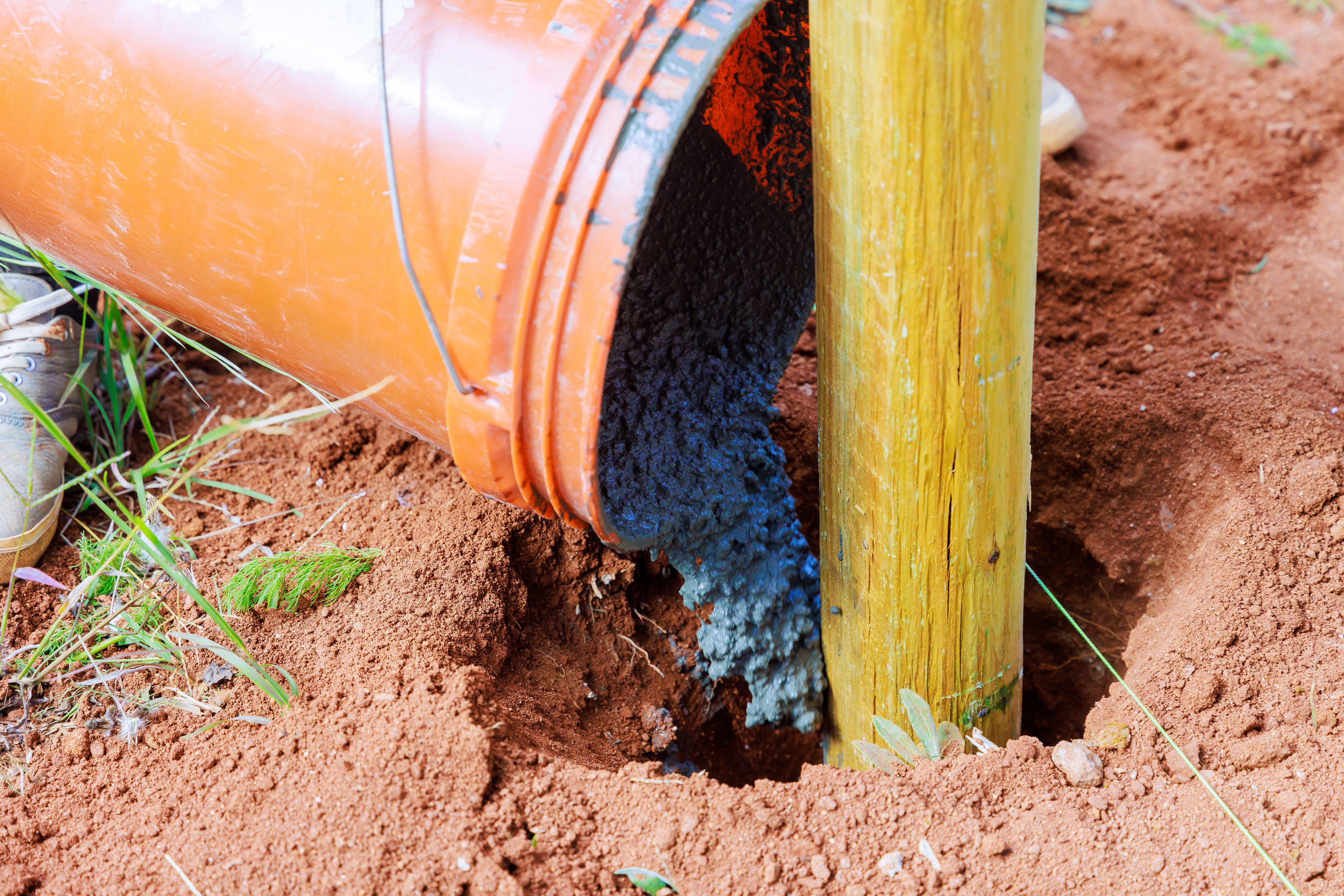
Begin by setting the corner and end posts first, ensuring they are level and securely anchored. Use concrete to set the posts and allow it to cure fully before proceeding. This provides a solid foundation for the rest of the fence.
Once the corner posts are secure, install the remaining posts, maintaining consistent spacing and alignment. Attach the rails and panels according to your design, ensuring each section is level and secure.
Finishing Touches
With the main structure in place, focus on the finishing touches. Paint or stain wooden fences to protect against weathering, or apply a sealant to metal fences to prevent rust. These steps enhance durability and maintain the fence's appearance over time.
Consider adding decorative elements like post caps or climbing plants to personalize your fence. Regular maintenance, such as cleaning and inspections, will keep your fence looking great for years.
By following these expert tips, you can successfully install a fence that not only meets your needs but also enhances your property's value and appeal. Happy building!