DIY Fence Installation Tips from Professional Contractors


Planning Your DIY Fence Project
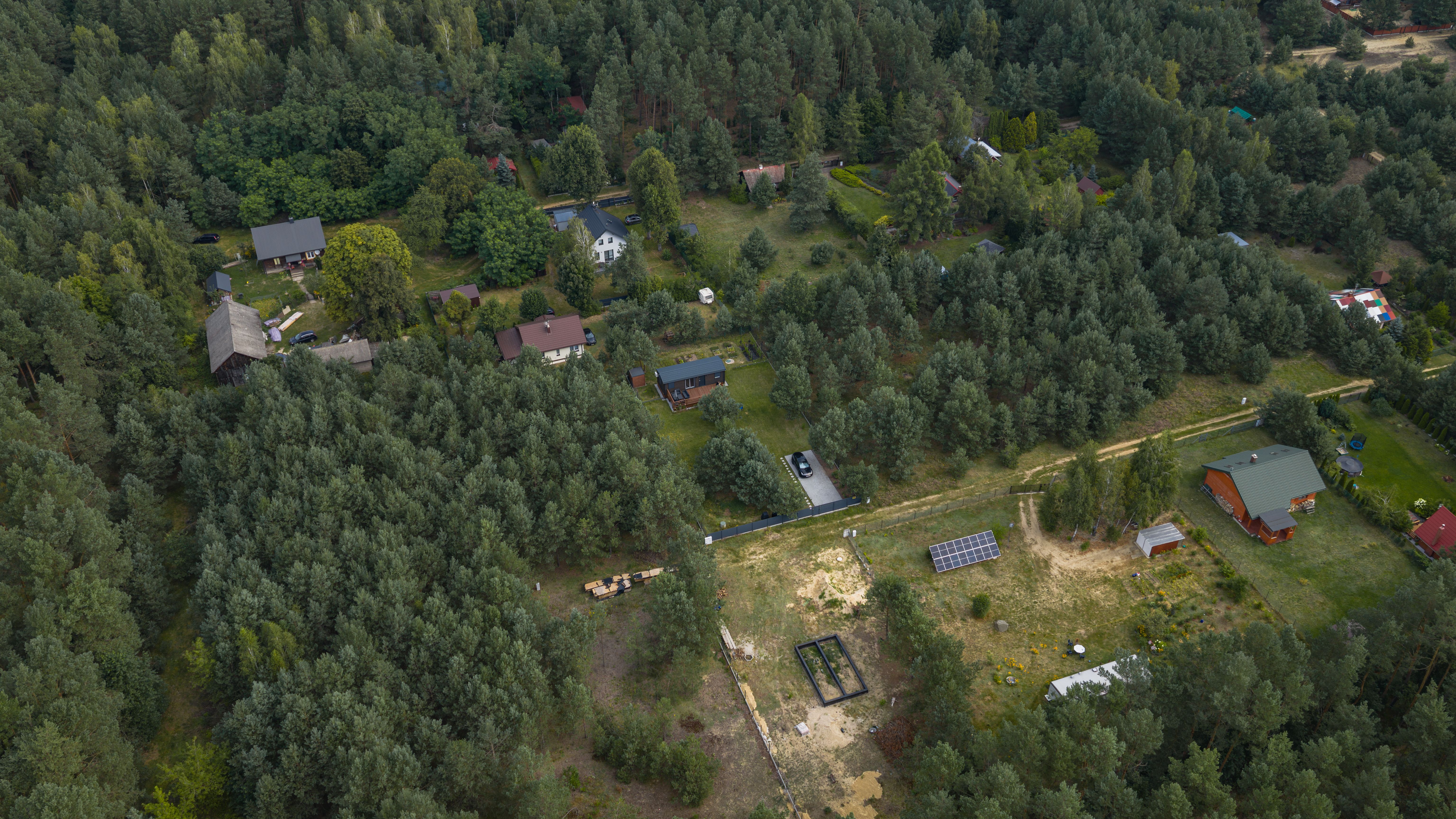
Installing a fence can be a rewarding DIY project, offering both privacy and style to your property. However, it requires careful planning and execution. Before you start, assess your needs and property layout. Determine the purpose of your fence, whether it's for security, privacy, or aesthetic appeal. This will guide your choice of materials and design.
Choosing the Right Materials
When selecting materials, consider durability, maintenance, and cost. Common options include wood, vinyl, and metal. Wooden fences offer a classic look but require regular maintenance. Vinyl is low-maintenance and weather-resistant, while metal provides strength and security. Weigh the pros and cons of each to find the best fit for your project.
Gathering Essential Tools
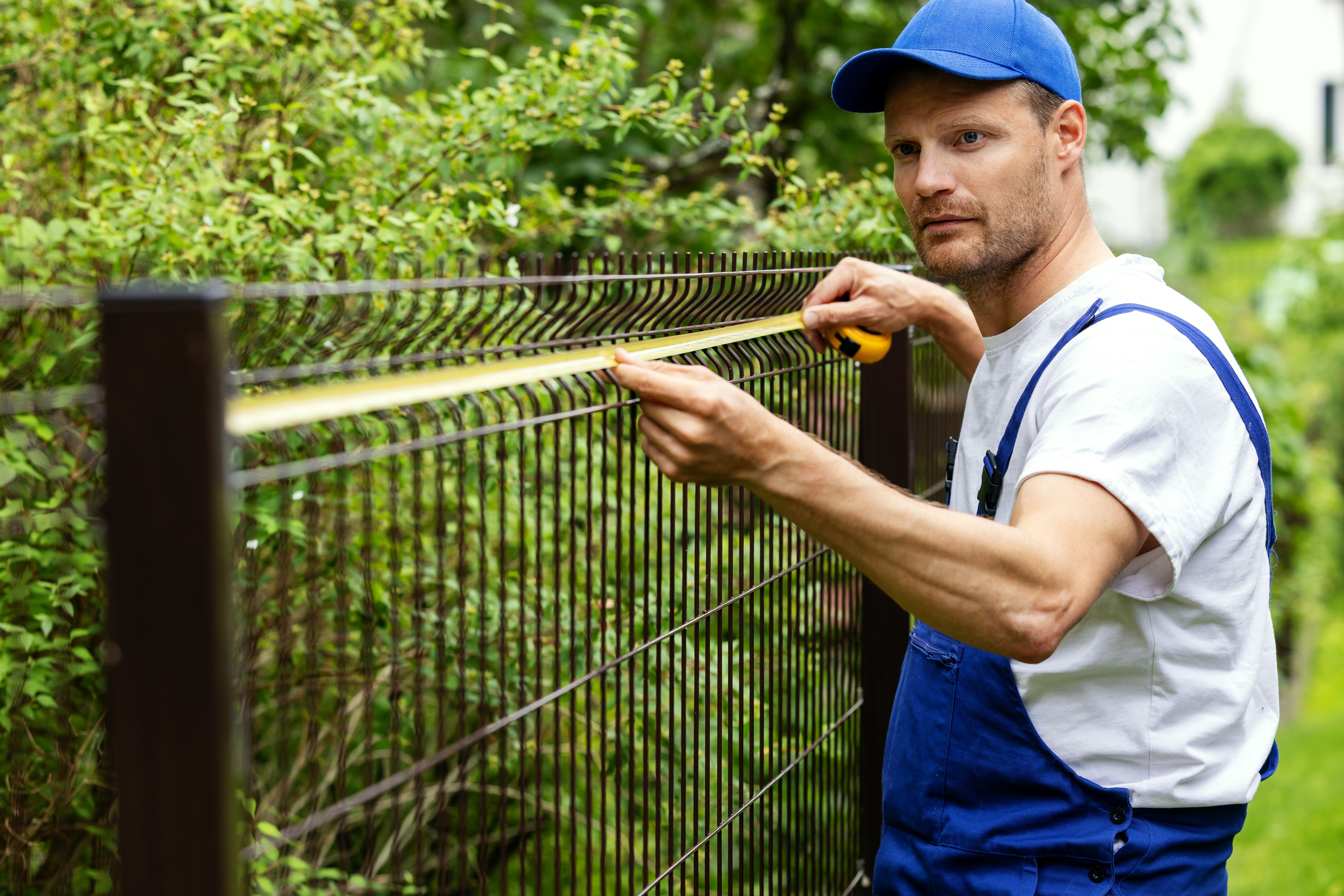
Having the right tools is crucial for a successful installation. Basic tools include a post hole digger, level, tape measure, and circular saw. You may also need a power drill and a hammer. Before beginning, ensure all tools are in good working condition to avoid any delays during your project.
Preparing the Site
Preparing the site is a critical step in fence installation. Start by marking the boundary lines and positioning your fence posts. Use stakes and string to visualize the layout. Ensure the ground is level and clear of debris, as uneven terrain can complicate the installation process.
Installing Fence Posts
The stability of your fence relies heavily on the proper installation of fence posts. Dig holes to a depth of at least one-third the height of the posts, and fill the bottom with gravel for drainage. Use a level to ensure each post is vertical and aligned before securing them with concrete.
Attaching the Fence Panels
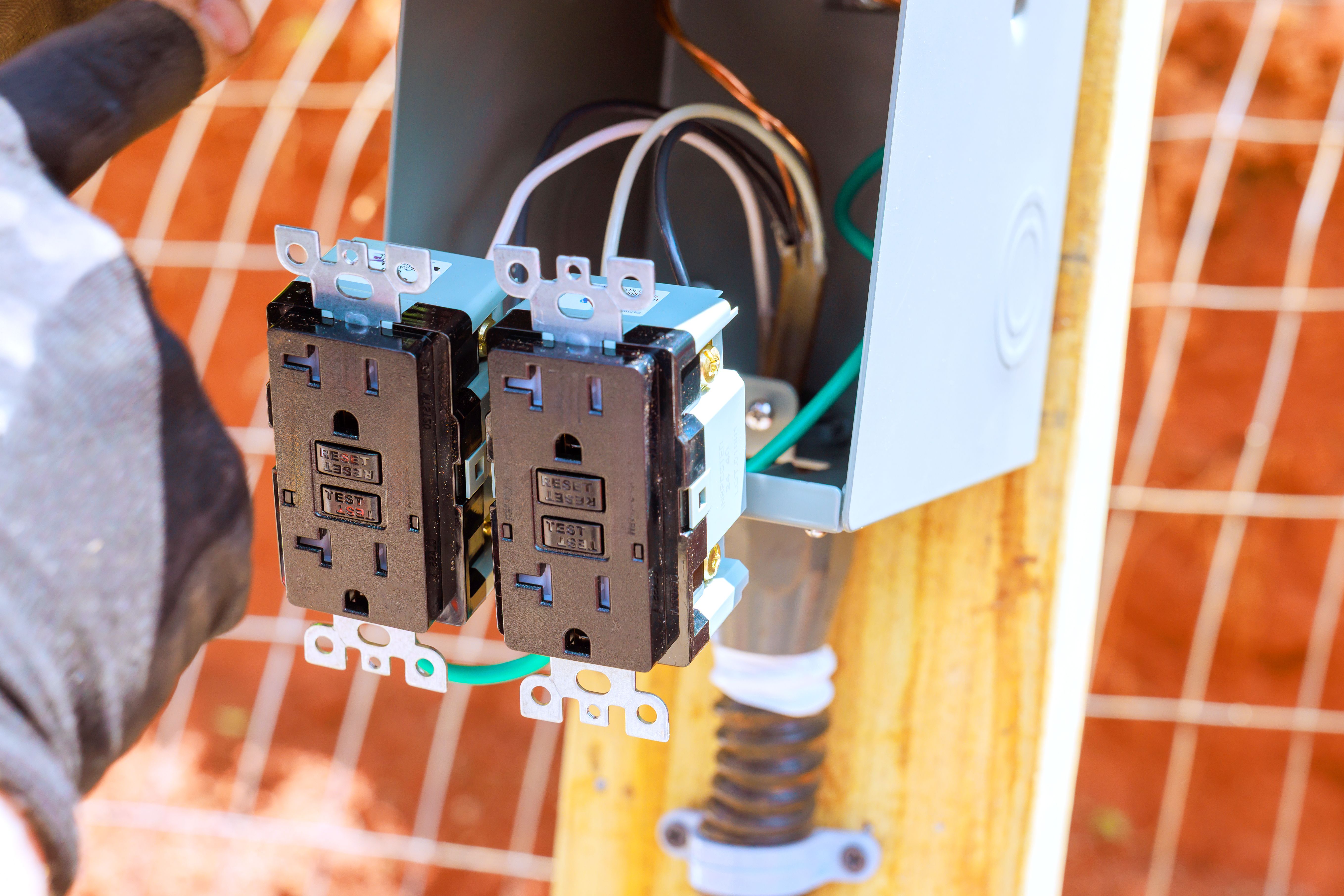
Once the posts are secured, you can attach the fence panels. Begin at one end and work your way down, ensuring each panel is level and evenly spaced. Use galvanized screws or nails to prevent rust and increase longevity. Take your time to adjust each panel for a seamless appearance.
Finishing Touches
After installing the panels, add any finishing touches, such as gates or decorative elements. Ensure all hardware is securely fastened and functions correctly. Consider applying a sealant or paint to wooden fences for added protection against the elements.
Maintenance Tips
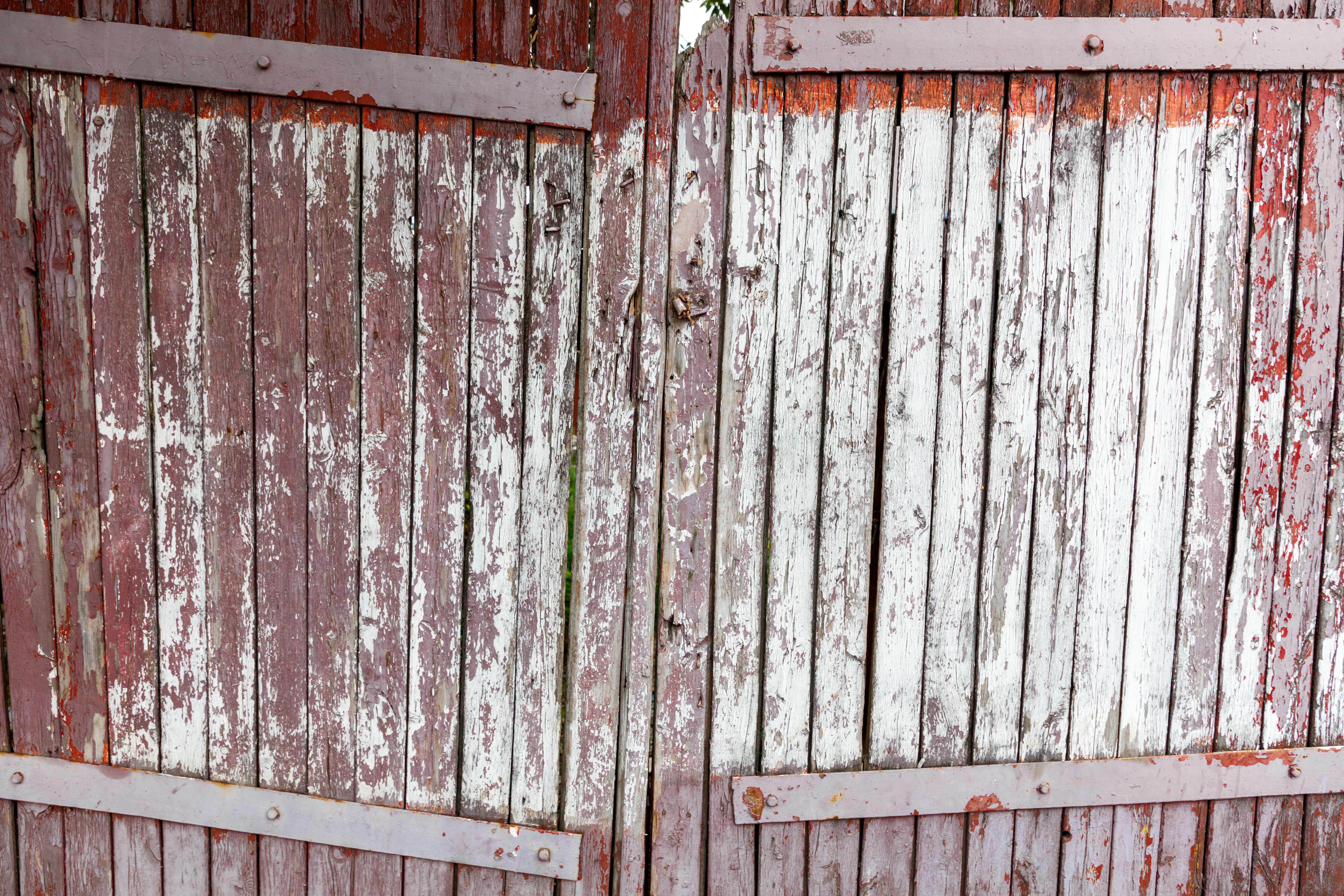
Regular maintenance will prolong the life of your fence. For wooden fences, inspect for signs of rot or insect damage, and repaint or reseal as needed. Clean vinyl and metal fences with mild soap and water to prevent buildup. Address any repairs promptly to maintain your fence's structural integrity.
By following these tips from professional contractors, your DIY fence installation can be a successful and enduring addition to your property. With the right preparation and attention to detail, you'll enjoy the benefits of your new fence for years to come.