Eco-Friendly Fencing Solutions: Comparing Materials and Costs


Introduction to Eco-Friendly Fencing
As environmental awareness grows, many homeowners are seeking eco-friendly fencing solutions that align with sustainable living practices. Choosing the right material not only impacts the environment but also affects the overall cost and longevity of your fence. Let's explore some of the most popular eco-friendly fencing materials and compare their costs and benefits.
Bamboo Fencing
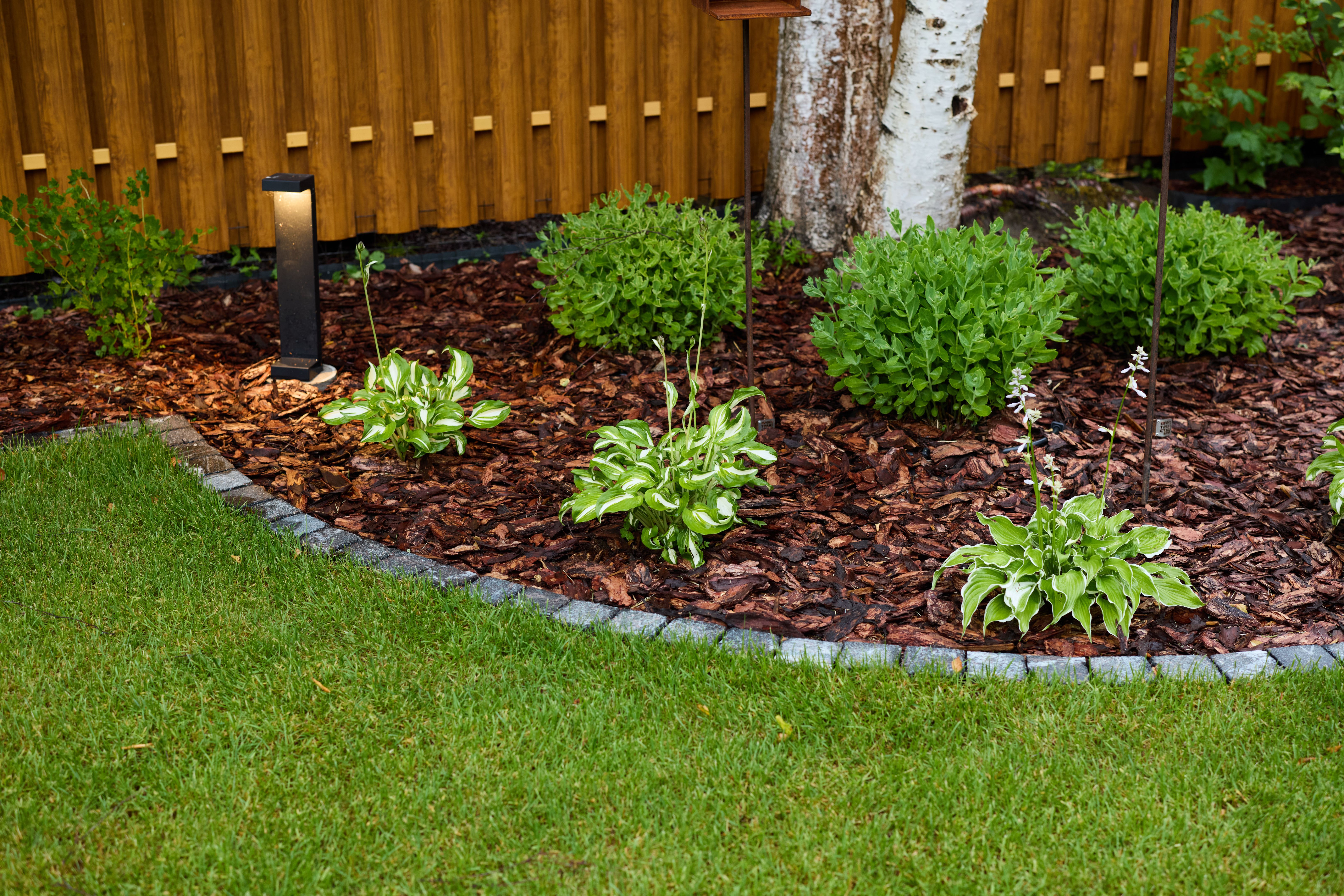
Bamboo is a highly renewable resource, making it an excellent choice for eco-friendly fencing. It grows rapidly and does not require pesticides or fertilizers. Bamboo fences are not only durable but also offer a unique aesthetic appeal.
In terms of cost, bamboo is relatively affordable compared to other sustainable materials. However, it's important to ensure that the bamboo is sourced sustainably and treated properly to withstand weather conditions.
Recycled Metal Fencing
Recycled metal fencing is a robust and long-lasting option. By repurposing metal, this fencing solution reduces waste and minimizes the carbon footprint associated with manufacturing new materials. Metal fences are highly durable and require minimal maintenance.
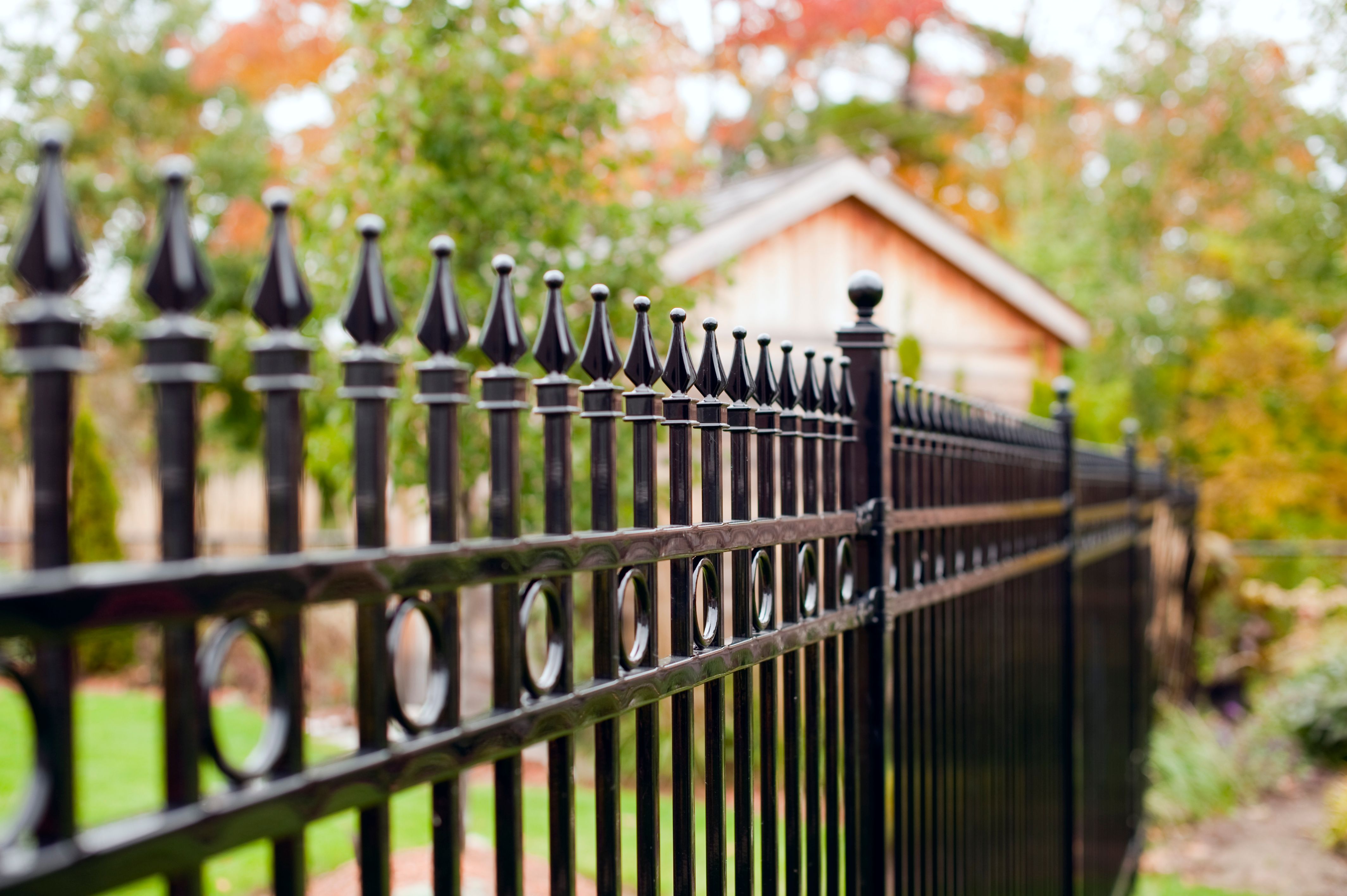
While the initial cost may be higher than other materials, the longevity and low maintenance requirements can make recycled metal a cost-effective choice in the long run.
Composite Fencing
Composite fencing is made from a blend of recycled wood fibers and plastic. This material offers the appearance of wood without the need for regular staining or sealing. Composite fences are resistant to rot and pests, ensuring a long lifespan.
The cost of composite fencing is generally higher than traditional wood, but its durability and low maintenance can provide value over time. Additionally, choosing composite helps reduce the demand for new wood and plastic production.
Living Fences
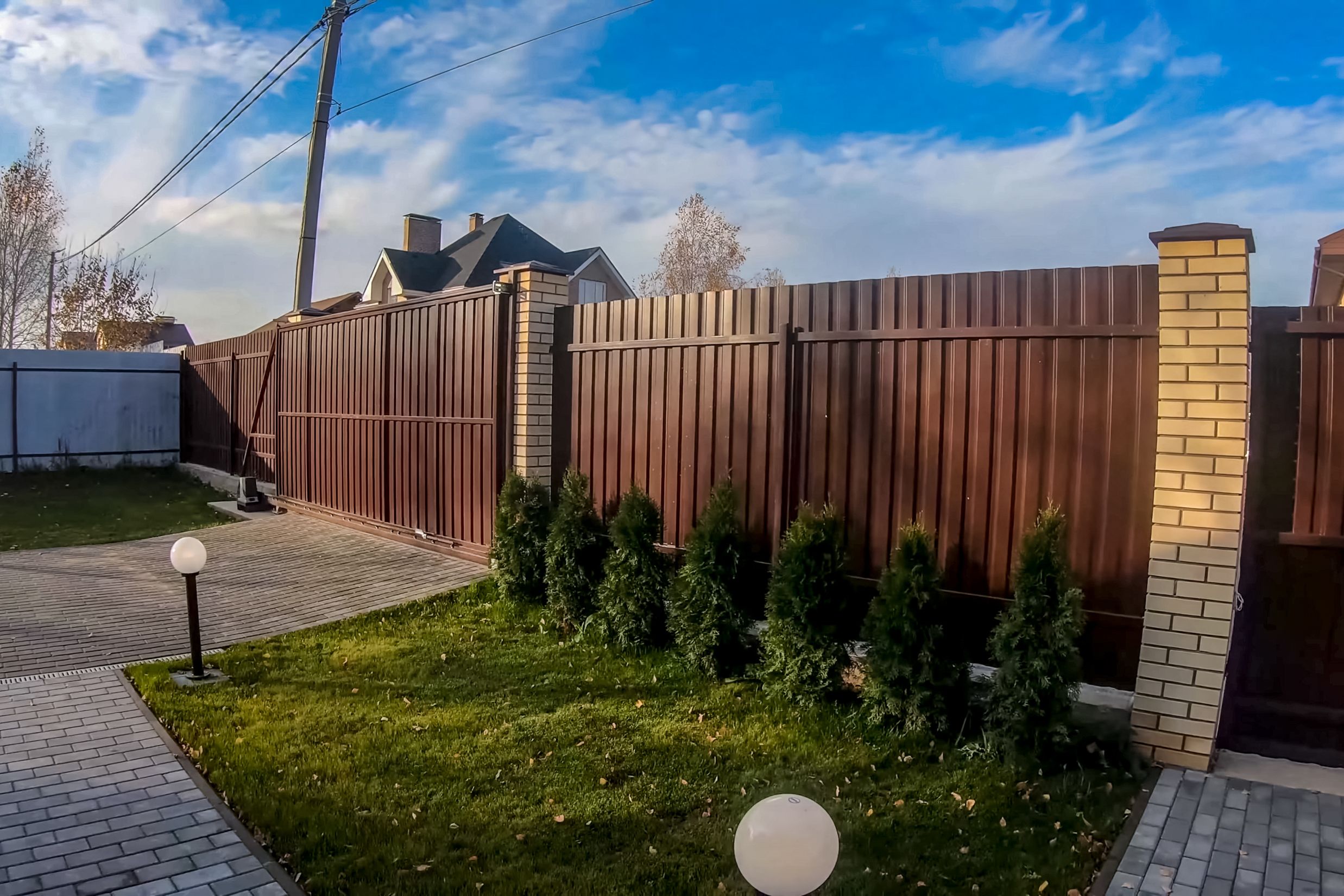
Living fences, made from hedges or shrubs, are a natural and beautiful option for eco-conscious homeowners. These fences provide habitat for wildlife and contribute to local biodiversity. While they require regular maintenance, such as trimming and watering, they offer an organic and environmentally friendly solution.
The cost varies depending on the type of plants chosen and the size of the area to be fenced. However, living fences can be an affordable option if you have the time and resources to maintain them.
Conclusion
Choosing an eco-friendly fencing solution involves considering both the environmental impact and the cost. Bamboo, recycled metal, composite, and living fences each offer unique benefits and challenges. By selecting a sustainable material, you contribute to a healthier planet and often enjoy a longer-lasting fence.
When deciding on the best option, weigh the initial costs against the long-term benefits to determine the most suitable choice for your home and budget.