The Ultimate Guide to Gate Installation in New Orleans


Understanding Your Gate Options
When considering gate installation in New Orleans, it's important to understand the different types of gates available. From ornamental iron gates to wooden privacy gates, each option offers unique benefits. Iron gates, for example, are known for their durability and classic aesthetic, while wooden gates provide a natural look that blends seamlessly with outdoor landscapes.
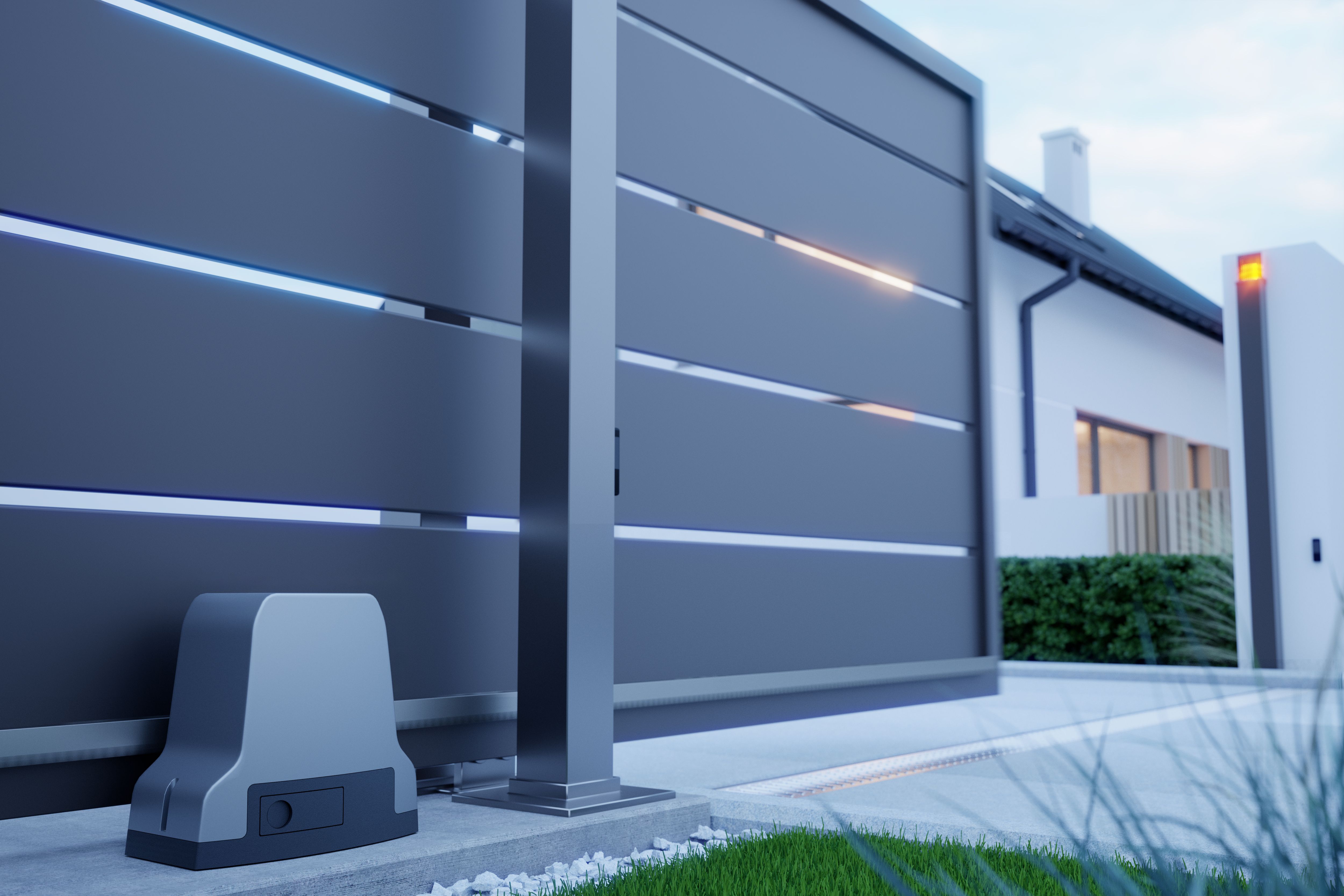
Choosing the right gate depends on several factors such as security needs, aesthetic preferences, and budget. Consider the architectural style of your home and surrounding neighborhood to ensure your gate complements the existing environment.
Material Considerations
Material choice is a critical aspect of gate installation. Iron, wood, vinyl, and aluminum are popular choices, each with its own set of advantages. Iron gates offer strength and a traditional look, while wood provides warmth and privacy. Vinyl and aluminum, on the other hand, are low-maintenance options that resist weathering.
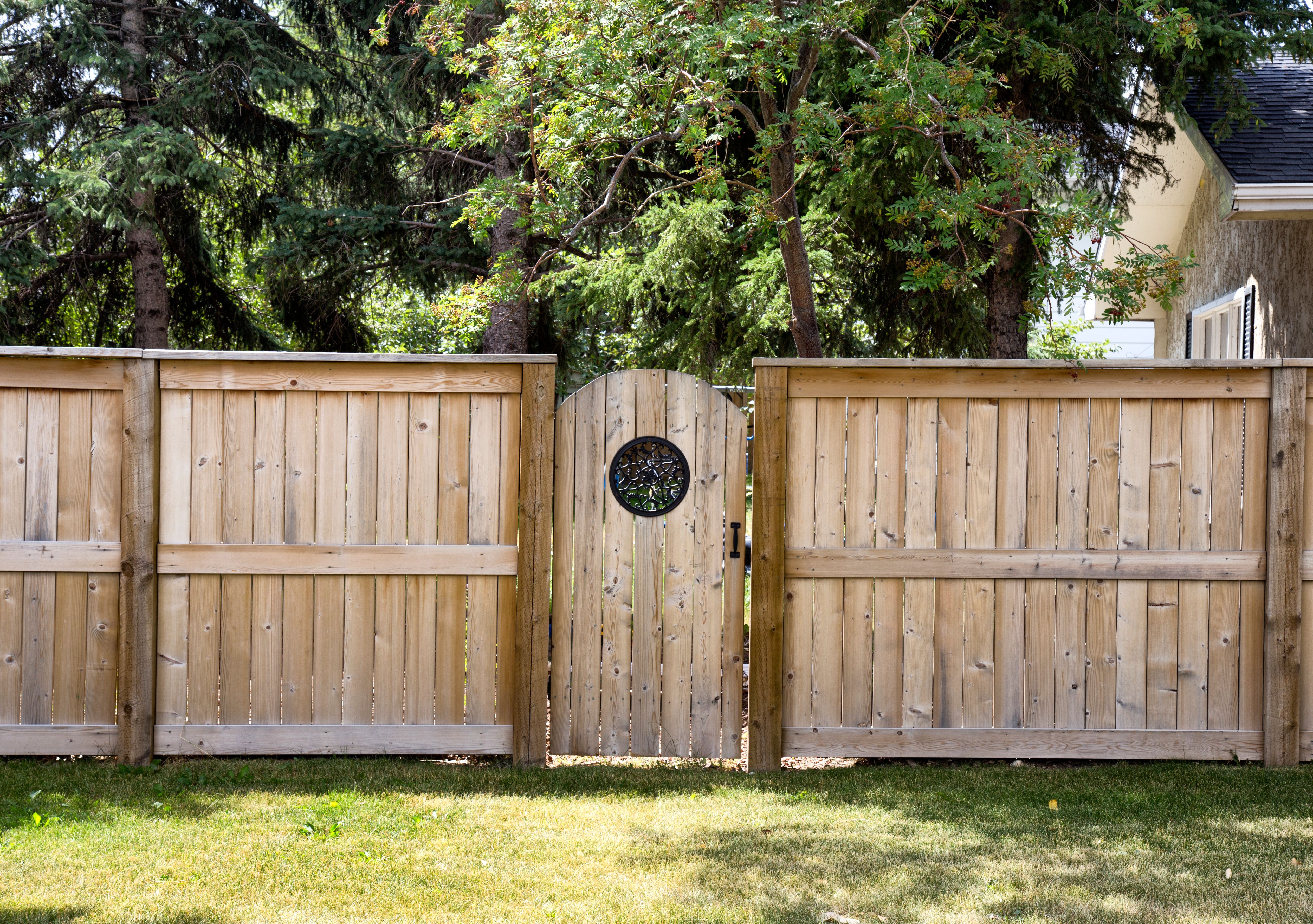
When selecting a material, consider the local climate. New Orleans’ humid environment can affect certain materials differently. For example, wood may require more maintenance to prevent rot, while metal gates might need special coatings to prevent rust.
Installation Process
The installation process involves several steps, starting with site evaluation and measurement. A professional installer will assess the area to determine the best placement and type of gate for your property. This ensures both functionality and aesthetic appeal.
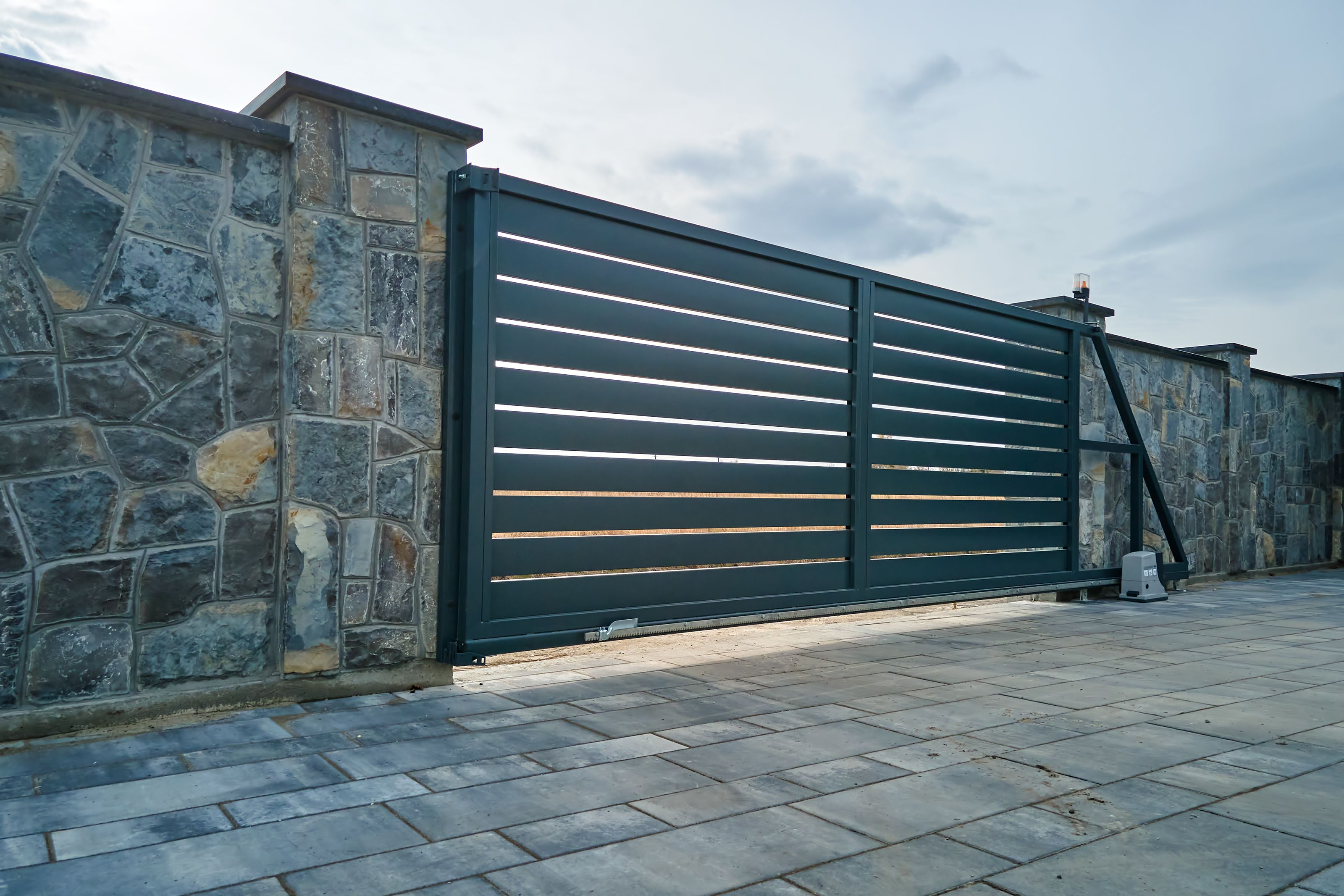
After the initial assessment, the installer will prepare the site, which may involve clearing any obstacles and ensuring a level surface. Post setting and gate hanging are critical stages that require precision to ensure the gate operates smoothly.
Permits and Regulations
Before beginning any installation, it's essential to understand the local regulations and obtain necessary permits. In New Orleans, certain neighborhoods may have specific zoning laws that dictate gate height, style, and placement.
- Check with local zoning authorities for specific requirements.
- Consider neighborhood associations that might have additional rules.
- Ensure all paperwork is completed before installation begins.
Maintenance Tips
Proper maintenance is key to prolonging the life of your gate. Regular cleaning and inspections can prevent issues like rust or warping. For metal gates, applying a protective sealant can help resist weather damage. Wooden gates benefit from regular staining or painting to protect against moisture.
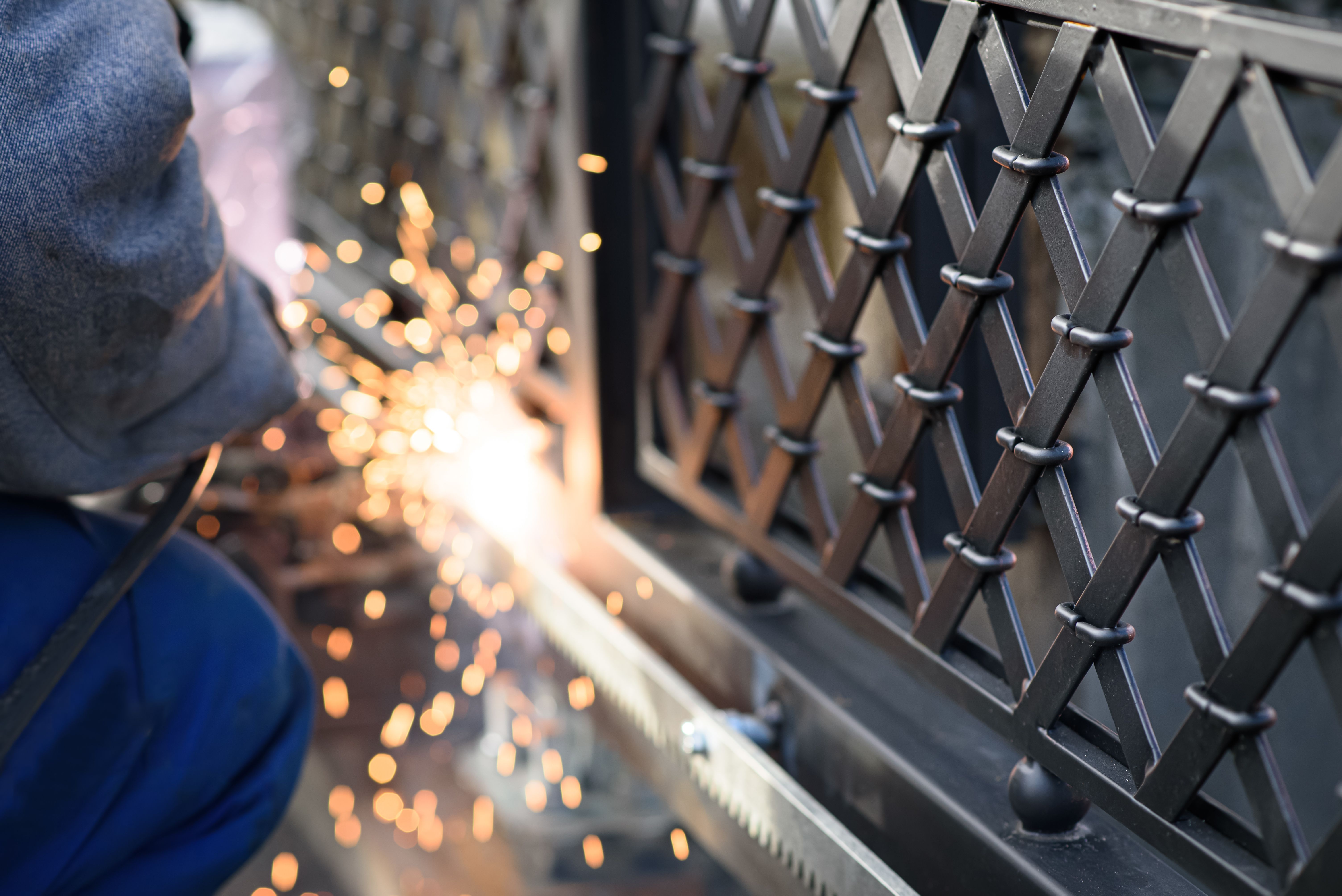
Additionally, check hinges and locks periodically to ensure they are functioning correctly. Lubricating moving parts can prevent wear and tear, keeping your gate in optimal condition.
Choosing a Professional Installer
While some homeowners may consider DIY installation, hiring a professional offers several benefits. A professional brings expertise and experience, ensuring the installation is done correctly and efficiently. They can also provide valuable advice on design and material selection.
- Look for installers with good reviews and a solid reputation.
- Ask for references and view past projects.
- Ensure they are licensed and insured for peace of mind.
By taking the time to understand your options and the installation process, you can make informed decisions that enhance both the security and aesthetic of your property. Investing in a quality gate installation will not only improve your home’s curb appeal but also provide added peace of mind.