Understanding Fencing Regulations in Louisiana: A Homeowner's Guide


Introduction to Fencing Regulations
When planning to install a fence in Louisiana, it's crucial to understand the local regulations. Compliance not only ensures a smooth installation process but also helps avoid potential legal issues. This guide will walk you through the essential aspects of fencing regulations in Louisiana.

Understanding Property Lines
Before erecting any structure, it is vital to determine your property's boundaries. Accurate property lines prevent disputes with neighbors and ensure the fence is legally positioned. You may need to consult a property surveyor or check existing property maps for clarity.
In Louisiana, fences are typically required to be set back a certain distance from the property line. The exact distance can vary based on the municipality, so check local zoning laws for specifics.
Height and Material Restrictions
Louisiana has specific regulations regarding the height and materials used for residential fences. Typically, front yard fences are restricted to a height of four feet, while backyard fences can extend to six feet. However, these limits can vary by location.
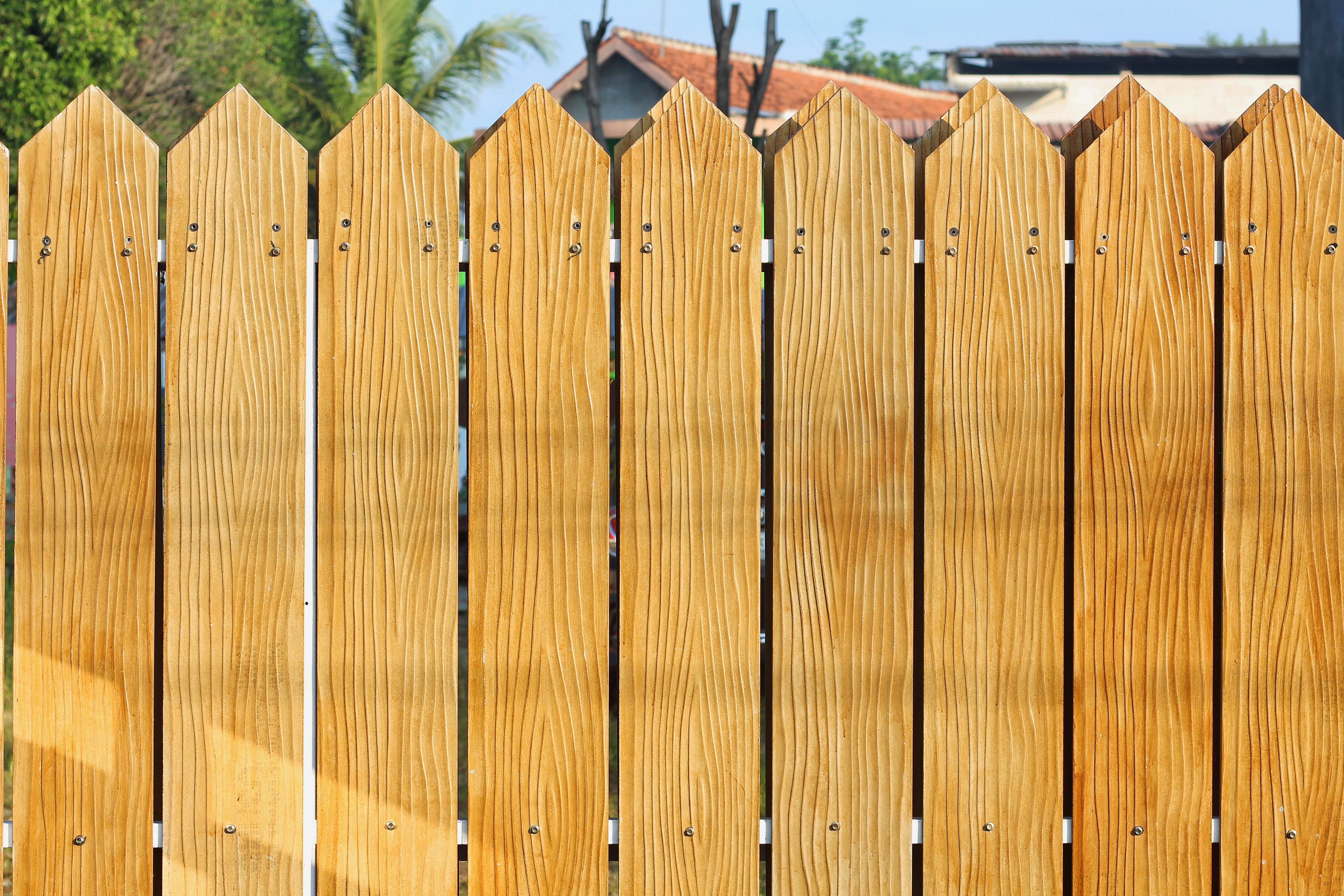
As for materials, while there are generally no strict prohibitions, some neighborhoods may have aesthetic guidelines or homeowner association rules that dictate acceptable materials, such as wood, vinyl, or metal.
Obtaining Necessary Permits
In many areas, a permit is required before installing a fence. The permitting process often involves submitting detailed plans or drawings of the proposed fence, including its dimensions and materials. This ensures the fence complies with local codes and standards.
Failure to obtain the necessary permits can result in fines or the requirement to alter or remove the fence. Therefore, it's essential to contact your local zoning office for guidance on the permitting process.

Neighbor Relations and Dispute Prevention
Maintaining good relations with neighbors is crucial when installing a fence. It's advisable to discuss your plans with them beforehand, especially if the fence will be near the property line. This openness can prevent disputes and foster a positive community atmosphere.
In some cases, neighbors may even agree to share the costs of a boundary fence. However, it's important to document any agreements in writing to avoid future misunderstandings.
Conclusion: Ensuring Compliance and Avoiding Pitfalls
Understanding and adhering to fencing regulations in Louisiana can save homeowners time, money, and potential legal troubles. By researching local laws, securing necessary permits, and maintaining open communication with neighbors, you can ensure a successful and compliant fence installation.
Remember, each municipality may have its own set of rules, so always check with local authorities to get the most accurate and up-to-date information. With careful planning and consideration, your new fence can be a valuable and compliant addition to your property.